
Healthcare
Healthcare can look different for everyone. We’ll help you find the right coverage with affordable quotes from the top health insurance providers.
- Navigate the Federal Marketplace options
- See if you qualify for a Premium Tax Credit
- Explore Short-Term Medical plans
- Check eligibility for Medicaid or CHIP
Healthcare for ages 18-64 usually take the form of employer offered coverage, private insurance plans, or the Federal Marketplace.
The Federal Marketplace, or Obamacare, offers a Premium Tax Credit for those that financially qualify.
Short-Term Medical is a good option for people that are not eligible for an enrollment period for Marketplace plans, although coverage is not as well-rounded.
Medicaid is another option of health coverage, managed by the state, for children and adults that qualify financially.
Healthcare can look different for everyone. Many people have insurance offered by their employer, while some must find healthcare through the Federal Healthcare Marketplace. We’ll help you find the right coverage with affordable quotes from the top health insurance providers.
In 2010, the Affordable Care Act (ACA) was signed into law as a major health reform. The law was designed to expand coverage, improve quality of coverage, and make insurance more affordable. Marketplace coverage, or as many people know it as Obamacare, allows individuals and small businesses to buy plans that fit their needs, while also providing a premium tax subsidy to help pay for premiums.
The Premium Tax Credit, or PTC, makes plans more affordable and accessible to individuals based on their income. In 2026, people that earn between 100%-400% of the Federal Poverty Level (FPL) may earn a subsidy. Other qualifiers include: not filing as “married filing separately” on your tax return, cannot be claimed as a dependent, and you must not be eligible for affordable employer-sponsored coverage or Medicaid/CHIP.
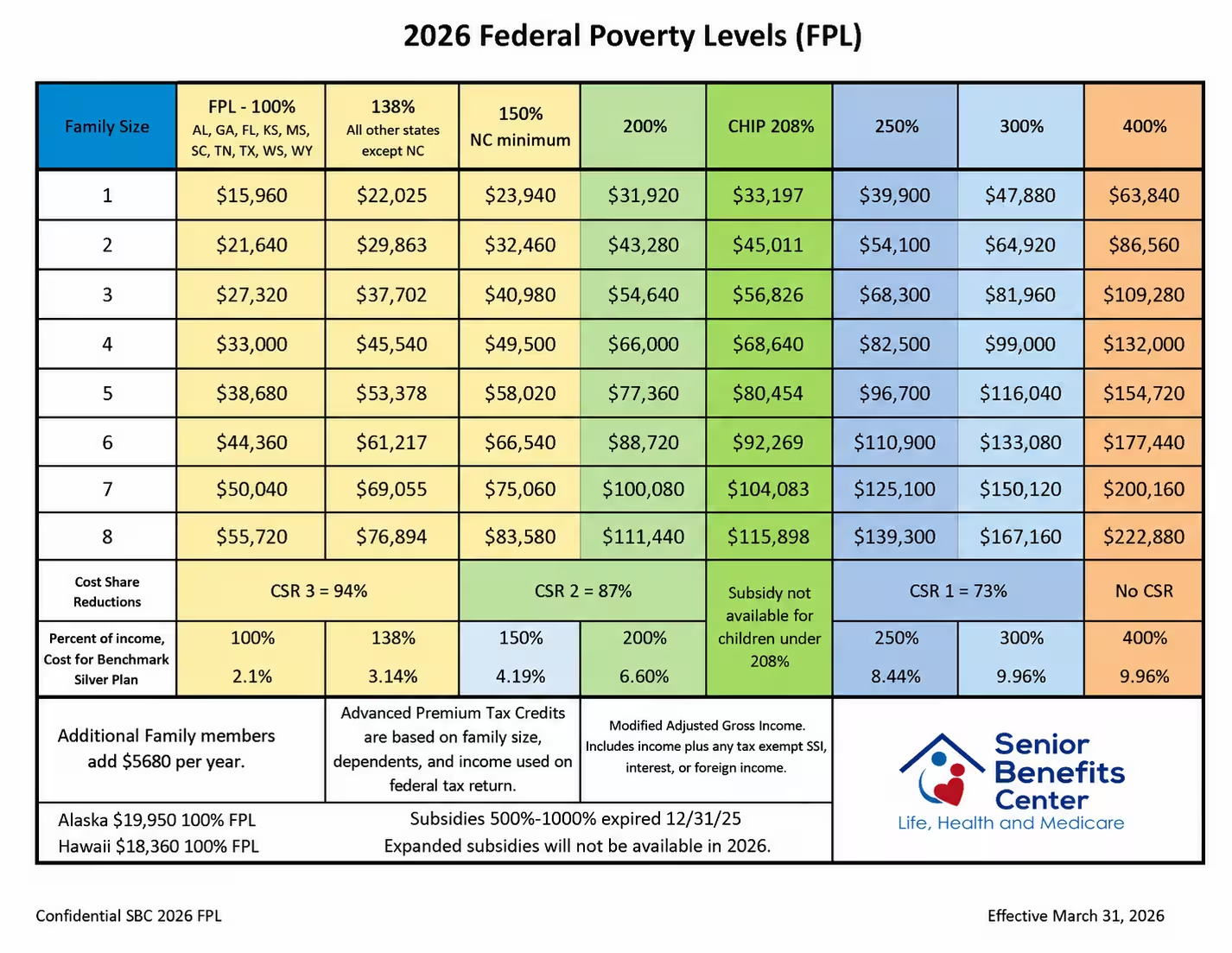
The reality: In 2026, Marketplace Healthcare took a hit. Tax credits were eliminated for individuals earning over 400% of the Federal Poverty Level. Additional Premium Tax Credits were previously applied to individuals that earned over 400% of the FPL since 2021. These expanded credits were implemented because of the COVID 19 virus; due to the urgency of needing affordable healthcare while many people were getting sick. Approximately 9% of beneficiaries dropped their coverage – roughly 3.8 million people because of rising healthcare costs. On average, premiums more than doubled for beneficiaries.
Healthcare Options
There are 3 options outside of employer coverage to receive healthcare for individuals between the ages of 18 to 64. We’ll break down these options:
Healthcare Marketplace
As already mentioned, the Healthcare Marketplace, or Obamacare, is offered to families and small businesses. On-exchange plans are offered through Healthcare.gov, and this allows individuals to see if they qualify for a subsidy. Zip code, income, and declaring as a smoker or non-smoker all affect your premium. As brokers, we’re also able to help individuals navigate which insurance carrier to choose, help fill out an application correctly, and check whether your drugs/doctor are covered.
Off-exchange plans are the same plans from the same insurance companies but without the Premium Tax Credit. Generally, these plans are for higher income earners that do not qualify for the PTC.
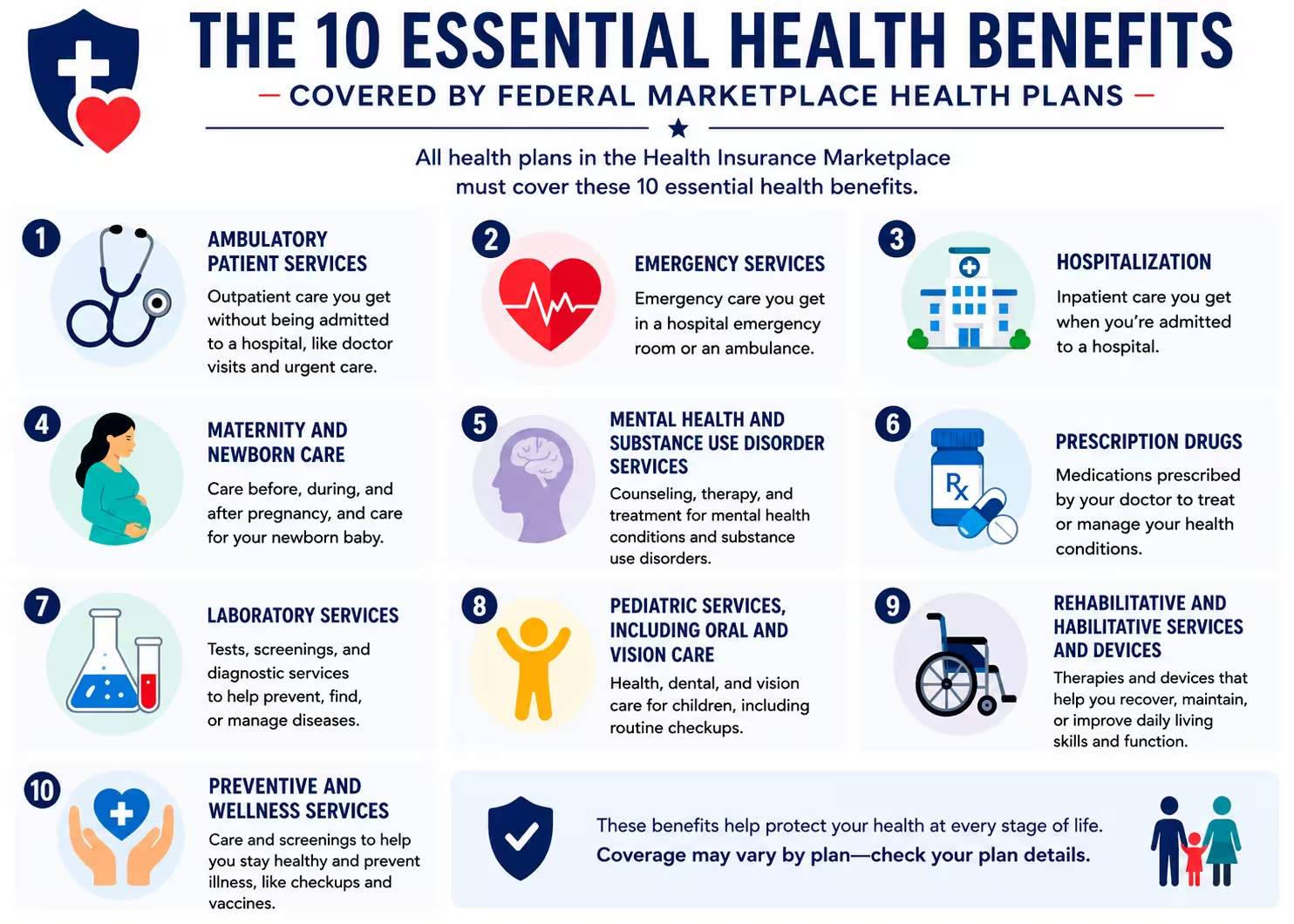
Besides the PTC, there are other benefits to choosing Marketplace coverage. All plans must cover 10 essential health benefits, must offer free preventative health services when delivered by an in-network physician, and must cover pre-existing conditions. These are the essential minimum requirements, but some plans may offer additional coverage, such as medical management programs, and vision.
To obtain Federal Marketplace coverage, you must qualify for an enrollment period. The open enrollment period for the Marketplace is November 1st to January 15th. People that enroll before December 15th will have a January 1st start date. Individuals that enroll between December 15th and January 15th will have their coverage begin February 1st.
You may qualify for a Special Enrollment Period (SEP) if you are not within an open enrollment period. Major life changes such as marriage/divorce, having a baby, death, and moving to a new service area qualifies you for an SEP. Other qualifiers include involuntary loss of health coverage, Medicaid/CHIP denial, and aging out of parents plans at 26 years old.
Short-Term Medical
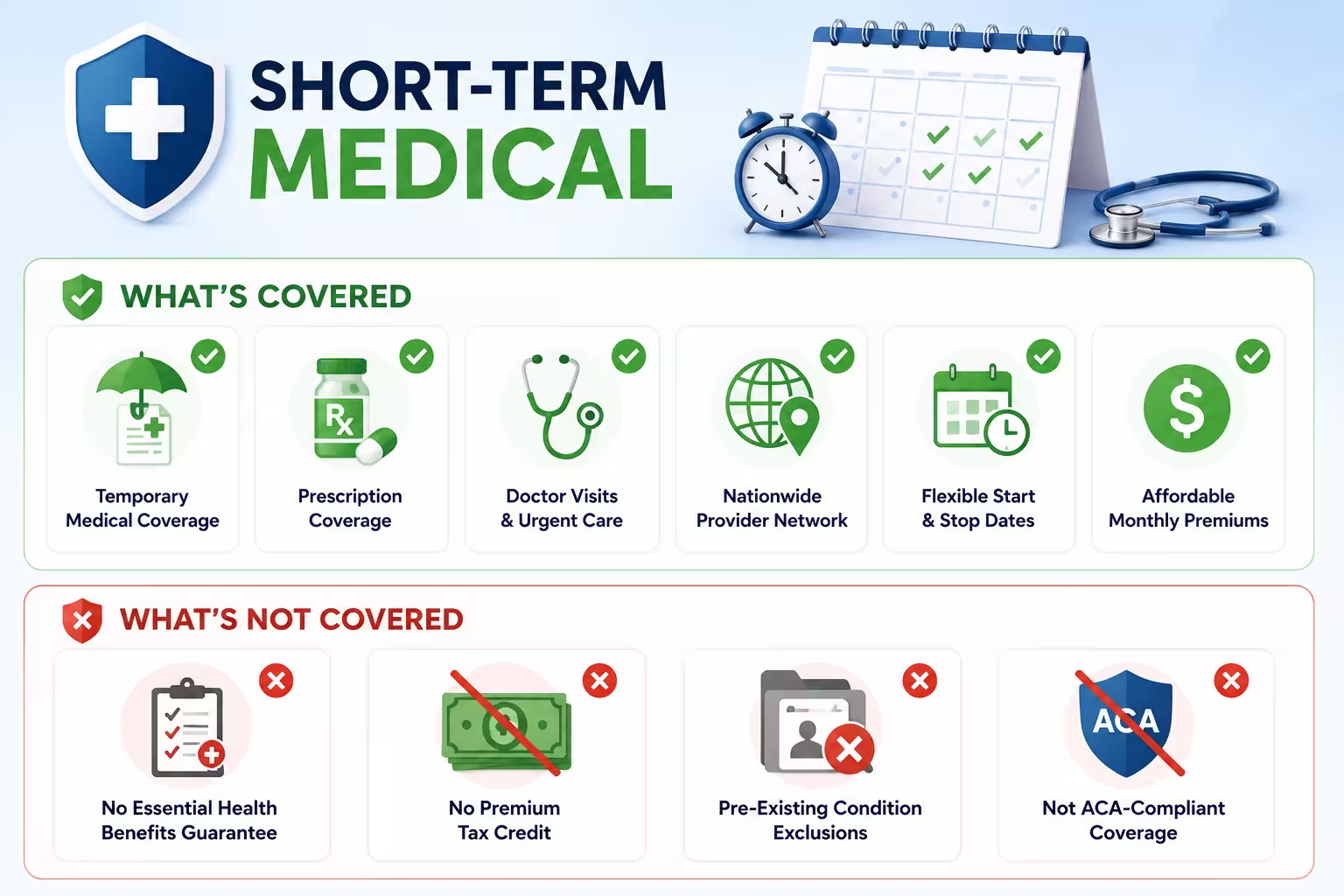
The second option is a short-term medical plan, which is designed for individuals that want temporary coverage or are not eligible for an enrollment period through the Federal Marketplace. Most plans have the option to last from 1 month to a full year, but there are also plans that may last up to 3 years. You may add or drop your coverage at any time, as there are no enrollment periods.
Since these are private plans, Federal standards for comprehensive health coverage do not have to be met. This means there are no minimum essential benefits required, no Premium Tax Credit available, and pre-existing condition exclusions do apply. Because of this, short-term medical is not intended to be a permanent comprehensive health option. However, it does offer common health service coverage, prescription coverage, and a nationwide network to choose from.
Medicaid/CHIP
The third option is Medicaid. Medicaid provides coverage for low-income individuals, including families and children. Each state has its own qualifications, so eligible income levels, coverage, and costs vary by state. For most states in 2026, individuals must earn less than 138% of the Federal Poverty level to qualify for Medicaid, but some states require other conditions besides income alone. In addition to income, other qualifiers include pregnancy, elderly, household size – dependents, and people with disabilities.
CHIP, or Children’s Health Insurance Program, is available to children under 19 and pregnant woman in families. To qualify for CHIP, families must earn too much to qualify for Medicaid but also earn less than 208% of the Federal Poverty Level.
Applying for Medicaid is done at your local Medicaid office or by applying online at your state’s website. For South Carolina, applications can be completed at the Healthy Connections Medicaid website or by applying for Federal Marketplace insurance to see if you qualify for federal assistance. For North Carolina, visit Home | NC Medicaid to check eligibility and apply. We are always happy to help with this process as well.


Enrollment
As mentioned, there are many advantages to using a broker to help you enroll into health coverage. We can explain the process face-to-face or over the phone, easily compare rates between different companies, find plans that fit your needs, help with enrollment periods, and make sure your doctors are within a network. Contact us today for assistance!
Self-Enrollment
We also understand there are many people that would like to do it themselves and already have an understanding of the process. This is fine!
To easily compare rates, scan this QR code or click the Insurance Market Advisors logo below to visit our website to see if you qualify for a Premium Tax Credit, apply, and hopefully enroll yourself if you qualify for a Special Enrollment Period.
Frequently Asked Questions
I don’t qualify for a premium tax credit, what now?
If you earn too much annually and don’t qualify for a subsidy, there are private plans we can help you find. Short-term medical plans and Indemnity plans are additional options that we would be happy to discuss.
However, exclusions apply to any other options outside the Federal Marketplace. You may need to weigh out whether more comprehensive coverage is worth the high price tag versus a lower cost option that may not provide coverage for pre-existing conditions or free preventative services.
I don’t think I’m eligible for an enrollment period, what are my options?
Contact us to see if we can help you with a Special Enrollment Period! Otherwise, short-term medical plans and indemnity plans offer coverage for those that don’t qualify for an enrollment period through the Federal Marketplace.
I think I may be eligible for Medicaid, should I apply?
Yes! Roughly 25% of individuals under age 65 that are Medicaid eligible have not applied for benefits. That’s around 6.4 million non-elderly people. The worst-case scenario is that you’re denied. If you’re denied, you’re eligible for a Special Enrollment Period for a Federal Marketplace plan. Reach out for assistance to see what level of Premium Tax Credit you’re eligible for.
We're Here to Help You!
Have questions or need personalized guidance? Fill out the form and one of our experts will get back to you.